
"coffee dry season"
5000 article(s) found
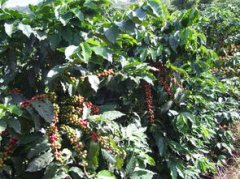
An introduction to the characteristics and attributes of Coffee in eight producing areas of Guatemala
The Ekatra Valley rises to 2000 meters (6500 feet), with dense shade and unique ecology, and the nearby Fuego volcano erupts, making its coarse, sandy soil rich in a variety of minerals. Temperate sea breezes from the Pacific and a seasonal climate allow coffee in this region to be dried by sunlight and processed according to traditional family methods that have been accumulated over the years. [characteristics

The harvest method of fine coffee varies from place to place.
The harvest time and method of coffee vary from place to place, generally speaking, once or twice a year (sometimes up to three or four times). The harvest time is mostly in the dry season. In Brazil, for example, around June, it starts in the north-eastern state of Bahia and ends in October in the southern state of Parana. The harvest period of Central American countries is from September to next year.

Raw bean file introduction to coffee flavor of Magdalena Manor in Linglong area of Columbia
Magdalena Manor location: Columbia, Narinho Province, Santona District (Sandona,Narino,Colombia) altitude: 1980-2000m Variety: Castillo (one of the Colombian varieties promoted by the government) Harvest: 2017 treatment: full washing, Sun drying Narino: geographical location Narino, domestic coffee industry translated as Na Linglong, really poetic

Planting patterns in the field of caffeine producing areas in Costa Rica
Following Cafe (official Wechat account vdailycom) found that Costa Rica is located in the volcanic belt of the low latitudes of Central America, with an elevation of about 800 to 2000 meters above sea level in the central plateau and mountains. The climate here has two obvious dry and wet seasons. The harvest period is from November to March of the following year, which coincides with the dry season, and coffee with high quality and consistent maturity can be harvested.

Washing Pacama produced by Incht Manor, the top manor in the Vivetnam fruit producing area of Guatemala
Incht Manor, located on the Guadamara-Vivette Nanguo Plateau, is a farm with a long history, covering an area of 720 hectares and an elevation of about 1500-2000 meters, in which 470 hectares of natural ecological rain forest surrounds the coffee-growing area; it has been operated by the Aguirre family, which has emigrated here since 1874, and began to plant coffee in 1900.
Natural Environmental conditions for growing Coffee: an introduction
The ideal environmental conditions for planting Arabica coffee trees are as follows:
The basic knowledge of fine coffee The way coffee is harvested
Coffee harvesting time and harvesting methods vary from place to place, generally speaking, about 1-2 times a year (sometimes up to three or four times). Harvest time is mostly in dry season. Brazil, for example, begins harvesting in the north-eastern state of Bahia around June and ends harvesting in the southern state of Parana around October. The harvest period of Central American countries is from September to January of the following year
The names of eight major producing areas of Guatemalan coffee and the characteristics of coffee flavor
The Ekatlago Valley is 2000 meters (6500 feet) above sea level, with dense shade and unique ecology. The nearby Fuego volcano erupts, making its coarse, sandy soil rich in a variety of minerals. Temperate sea breezes from the Pacific and a seasonal climate allow coffee in this region to be dried by sunlight and processed according to traditional family methods that have been accumulated over the years. [characteristics]

The way coffee is harvested. Common sense of fine coffee beans.
The harvest time and method of coffee vary from place to place, generally speaking, once or twice a year (sometimes up to three or four times). The harvest time is mostly in the dry season. In Brazil, for example, around June, it starts in the north-eastern state of Bahia and ends in October in the southern state of Parana. The harvest period of Central American countries is from September to next year.

Basic knowledge of Fine Coffee the harvesting method of coffee beans
The harvest time and method of coffee vary from place to place, generally speaking, once or twice a year (sometimes up to three or four times). The harvest time is mostly in the dry season. In Brazil, for example, around June, it starts in the north-eastern state of Bahia and ends in October in the southern state of Parana. The harvest period of Central American countries is from September to next year.

2017 new season Colombia Huilan micro-batch Huilan province St. Augustine boutique coffee raw beans
The natural geographical environment of the Colombian Andes, a new product of coffee, the unique pozzolanic soil of the region and carefully cultivated and refined artificial processing have created the outstanding performance of this bean in the cup: the strong aroma and personality is an ingenious blend of fresh acidity, almonds and cocoa aromas that stimulate taste buds like grapes. the bright acidity in the sweet tone of the entrance is elegant and bright, mellow.

Guatemala Antigua coffee Guatemala Antigua coffee beans Guatemala coffee bean producing areas
Eight major coffee producing areas in Guatemala. Acatenango Valley?: the Acatenango Valley valley is 2000 meters (6500 feet) above sea level, with dense shade and unique ecology. Nearby Fuego volcanoes continue to erupt, making its coarse, sandy soil rich in a variety of minerals. Temperate sea breezes from the Pacific and seasons

Costa Rica Tara Beads S.H.B. Coffee Bean Profile
Pay close attention to coffee comment (Weixin Official Accounts vdailycom ) and find a beautiful cafe to open your own shop Costa Rica is located in the volcanic belt at low latitudes in Central America, with an altitude of about 800~2000 meters in the central plateau and mountains. The climate here has two distinct dry and wet seasons. Harvest period from November to March of the following year, this time coincides with the dry season, can harvest high quality and consistent maturity of coffee
Columbia Narino Narino Magdalena Estate
Photo 1: manor location Narino: geographical location Narino, the domestic coffee industry translated as Na Linglong, really very poetic and aesthetic, people can not help but think of Xu Zhimo's emerald cold. Literal translation, Nalinho. It is a province in southwestern Colombia, 640km from the capital Bogota. It borders Ecuador to the south, Cauca province to the north, Huila province to the northeast and Putumoyo to the southeast.

Brief introduction of several Guatemalan Coffee producing areas
Professional coffee knowledge exchange more coffee bean information please follow the coffee workshop (Wechat official account cafe_style) Qianjie Coffee-Guatemala Coffee production area profile 1. AcatenangoValley: AcatenangoValley is 2000 m (6500 ft) above sea level, with dense shade and unique ecology, nearby Tierra del Fuego (Fu).
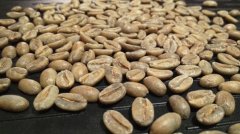
Introduction to Fine Coffee-- Coffee characteristics in Guatemala
Guatemala is a famous producer of high-quality Arabica coffee in Central America. Coffee from five volcanic and three non-volcanic producing areas is very unique and enjoys a high reputation in the international market. Mr. EduardoAmbrocio of the Guatemalan Coffee Company introduced Guatemalan coffee to the audience at the SCAA Houston show in April 2010. 1. Alcatraguo Valley (AcatenangoValley)

Brazil Miki Manor late season honey treatment Kaduai flavor how? Introduction of Brazilian non-traditional Coffee
Origin: Brazil Brazil production area: Esprito Santo San Isprito State Farm: Stio Trs Barras Miki Manor producer: Horacio altitude: 1100m~1200m production season: 2019 / 2020 Variety: Catuca Kaduai raw bean treatment: Honey honey treatment flavor: ground coffee has pleasant floral and berry aromas and tastes like blackberries
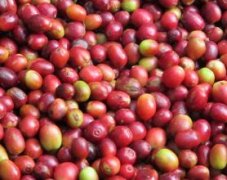
A brief introduction to the description of flavor, taste and aroma characteristics of Columbia exquisite coffee beans
And the annual rainfall in Nalinglong province shows a peak distribution, with a rainy season, which lasts from October of that year to May of the following year, and the dry season lasts for June, July and August. However, even in dry months, coffee farmers will not worry too much, because the warm current caused by trade winds from the southern continent will produce enough water vapor when they meet with a cool night, just to replenish the coffee trees with water.

Panamanian Coffee, introduced by Stonewall Manor in La Honnei, Pokuit, Panama.
Professional coffee knowledge exchange more coffee bean information please follow the coffee workshop (Wechat official account cafe_style) La Honnei Stone Wall Manor is located in Panama Pokuit producing area of 1750-2400 meters Baru volcanic hillside, between two lava flows, a micro-climate area, where the rainy season and dry season are very clear, May to December is the rainy season, and January to April because

The origin of Guatemalan coffee beans, the taste of Guatemalan coffee
Following Cafe (Wechat official account vdailycom) found that Beautiful Caf é opened a small shop of its own in Guatemala coffee bean producing area one: the Akanango Valley rises to 2000 meters (6500 feet) with thick shade and unique ecology. The eruption of the nearby Fuego volcano has made its coarse, sandy soil rich in various minerals. Temperate sea breezes from the Pacific and